November 8, 2026
Plumbing Repiping for Homes With Low Water Pressure
By @zanetesg449
Low water pressure has a special talent for making civilized people question their life choices. One minute you are a functioning adult. The next, you are standing under a shower that feels like a nervous cloud, rinsing shampoo out of your hair with the urgency of a glacier.
A weak faucet can be a small nuisance, sure. But when the whole house starts acting like the plumbing is powered by a tired hamster, the problem often goes deeper than a clogged aerator or a moody showerhead. In many older homes, persistent low water pressure is a symptom of aging, restricted, corroded, or undersized pipes. That is where plumbing repiping enters the conversation.
Repiping sounds dramatic, and sometimes it is. Nobody hears “we need to replace the pipes” and thinks, “Lovely, a spa weekend.” But when done for the right reasons, repiping can turn a frustrating, underperforming plumbing system into something that finally behaves like it belongs in this century.
When low water pressure is not just low water pressure
A single weak fixture is usually not a repiping problem. If the kitchen faucet dribbles while the rest of the house performs beautifully, the culprit may be a clogged aerator, a tired cartridge, a kinked supply line, or sediment lodged in the faucet body. Annoying, yes. Whole-house surgery, no.
Repiping becomes more likely when the symptoms spread. The upstairs shower fades when someone starts the washing machine. The toilet refill sounds like it is sipping through a cocktail straw. The hose bib outside barely has enough force to offend a dandelion. If hot and cold water both suffer, and multiple fixtures across the house show the same weakness, the pipe network itself deserves a hard look.
A good plumber does not walk in, glance at one faucet, and declare the house ready for repiping. That is not diagnosis. That is plumbing theater. A proper evaluation looks at water pressure at the main, flow volume, pipe material, visible corrosion, valve condition, water heater connections, fixture behavior, and sometimes municipal supply factors. Pressure and flow are cousins, not twins, and confusing them leads to bad decisions.
Pressure is the force pushing water through the system. Flow is the amount of water delivered over time. You can have decent static pressure at the hose bib but still get poor flow at fixtures because the pipes are choked internally. That is common with old galvanized steel lines. From the outside, they may look merely old and grumpy. Inside, they can be narrowed by decades of mineral buildup and corrosion until a half-inch pipe has the usable opening of a drinking straw.
The usual suspects behind weak water flow
Low pressure complaints tend to fall into patterns. Some are simple. Some are sneaky. A few wear fake mustaches and pretend to be something else.
If the problem appeared suddenly, I would first suspect a partially closed main shutoff valve, a failed pressure reducing valve, a municipal issue, a broken service line, or a hidden plumbing leak. Sudden whole-house pressure loss deserves attention quickly, especially if the water meter moves when everything is off. That can point toward underground leakage, slab leaks, or another plumbing leak repair issue that should not wait for a convenient Saturday.
If the problem has worsened slowly over years, old piping climbs higher on the suspect list. Galvanized water lines are the classic offender. They were common in many homes built before the 1960s and still appear in later houses depending on location and builder habits. Galvanized pipe corrodes internally, collecting rust and mineral scale. The homeowners usually adapt without realizing it. They stop running the dishwasher during showers. They schedule laundry around bathing. They develop a family water treaty. Then a guest visits and says, “Is your shower supposed to apologize like that?”
Copper can also develop restrictions, though it usually ages better than galvanized when installed properly and paired with suitable water chemistry. Hard water can leave scale in hot water lines, fittings, and water heater connections. Homes with older polybutylene piping may have low pressure along with reliability concerns, especially around fittings. Poor original design can be a factor too. Undersized branches, too many fixtures on one small line, long runs with multiple elbows, and sloppy remodel tie-ins can all leave a house gasping for water.
Then there are valve problems. Old gate valves can break internally while appearing open from the handle position. Pressure reducing valves can fail and throttle the system. Stop valves under sinks can clog with debris. Water softener installation that was done incorrectly can restrict flow, especially if the bypass valve is half closed or the unit is undersized for the household. A water heater can collect enough sediment to affect hot water flow, which is why water heater repair and maintenance matter more than most homeowners want to discuss at dinner.
A quick reality check before blaming the pipes
Before anyone starts cutting drywall, a few checks can narrow the field. They are not a substitute for professional testing, but they can keep everyone honest.
- Compare hot and cold flow at several fixtures, because hot-only trouble may point toward the water heater, mixing valves, or hot-side piping.
- Test an outside hose bib close to the main entry, since strong flow there but weak flow indoors suggests an interior distribution problem.
- Confirm the main shutoff and meter valves are fully open, gently, because old valves do not appreciate heroic wrenching.
- Look for pressure changes when another fixture runs, which helps separate whole-house capacity issues from isolated fixture clogs.
- Watch the water meter with all fixtures off, since movement may reveal a hidden leak.
Those five checks will not solve every mystery, but they provide useful clues. Plumbing diagnosis is a little like detective work, except the suspect is wet and hiding behind walls.
Why old galvanized pipes are pressure thieves
Galvanized pipe deserves its own small courtroom. It has committed enough crimes.
The original idea was sensible enough: steel pipe coated with zinc to resist corrosion. The problem is that the zinc coating wears down over time, and water chemistry does the rest. Rust forms inside the pipe. Minerals cling to the rough interior. The inner diameter shrinks. Fittings become especially restrictive because turbulence encourages buildup. A pipe that once delivered acceptable flow gradually becomes a museum exhibit called “Why Dad Yells During Showers.”
The exterior can mislead you. I have seen galvanized pipes that looked passable from the basement, only to cut out a section and find the interior nearly sealed. Homeowners are often stunned. They assumed the city pressure had dropped or the shower valve was cheap. Sometimes both can be true, because plumbing enjoys teamwork, but clogged galvanized lines are a very real cause.
Another unpleasant feature of old steel pipe is rust-colored water after periods of nonuse. If the first draw in the morning runs brown or orange, the piping may be shedding corrosion. That does not automatically mean immediate repiping, but it is a strong sign that the system is nearing the end of its service life. Add poor flow, recurring leaks, and flaky shutoff valves, and the argument for repiping gets much stronger.
Repiping is not a fancy word for “replace everything blindly”
Good repiping is planned. Bad repiping is panic with a pipe cutter.
A full repipe typically means replacing the home’s water distribution piping, from the point where water enters the house to the fixtures. Depending on the home, that may include new shutoff valves, supply lines, hose bib connections, tub and shower valve connections, water heater connections, and sometimes pressure regulation improvements. It may also involve opening walls, ceilings, or floors, though skilled crews usually keep access cuts smaller and more strategic than homeowners fear.
Partial repiping is sometimes appropriate. If a home has a mix of newer copper or PEX in one addition and failing galvanized in the original section, replacing only the bad sections may make sense. If low pressure is isolated to a bathroom group served by one old branch, a targeted replacement can save money. The trick is knowing whether the rest of the system is worth preserving. Leaving one decaying section buried behind fresh drywall can feel clever until it leaks six months later with the timing of a villain in a soap opera.
Repiping is also not the same as drain replacement. Low water pressure concerns the supply side, the pressurized pipes delivering clean water to fixtures. Drain cleaning, rooter service, septic system service, and hydrojetting address wastewater flow leaving the house. Those services are important, but they solve different problems. A shower Lighting contractor that drains slowly is not suffering from low water pressure. It is suffering from a drain that has seen things.
Copper, PEX, and the material conversation
Most residential repiping today uses either copper or PEX. Both can be excellent when installed correctly. Both can be disappointing when installed by someone whose main qualification is owning a flashlight and confidence.
Copper has a long track record. It is rigid, durable, naturally resistant to UV exposure indoors, and familiar to inspectors and tradespeople. It handles heat well and looks tidy when installed by a craftsperson who cares. Its weaknesses include higher material cost, labor intensity, vulnerability to theft in vacant properties, and sensitivity to certain water conditions. Aggressive water chemistry can cause pinhole leaks in some regions. Copper also requires soldering or approved press fittings, and installation quality matters enormously.
PEX is flexible, cost-effective, and faster to install through existing framing. It resists scale buildup better than metal pipe and can reduce the number of fittings in long runs. Fewer fittings can mean fewer potential leak points and less friction loss. PEX also tolerates freeze expansion better than copper, though “better” does not mean “magic.” Frozen water can still destroy things with enthusiasm.
PEX has rules. It must be protected from prolonged sunlight. It needs proper support. It should be kept away from certain heat sources. Fittings and expansion or crimp systems must match manufacturer requirements. Rodent damage is uncommon but possible. Some homeowners dislike the look of exposed PEX in utility spaces, which is fair, although the water pressure does not care about your aesthetic concerns.
The right material depends on local code, water quality, budget, home layout, and installer skill. If the installer is excellent with PEX and mediocre with copper, that matters. If the home has unusual water chemistry that attacks copper, that matters more. If exposed pipe runs through a garage where physical damage is likely, protection details matter. Repiping is not a beauty contest between materials. It is a design decision.
The pressure reducing valve, the quiet troublemaker
Many homes have a pressure reducing valve, often called a PRV, near the main water entry. Its job is to tame high municipal pressure before it beats up the home’s plumbing system. When it works, nobody praises it. When it fails, it becomes the plumbing equivalent of a tiny bureaucrat stamping “denied” on your shower.
A failing PRV can cause low pressure, fluctuating pressure, or pressure that drops badly when fixtures run. Sometimes it mimics pipe restriction so convincingly that it fools casual diagnosis. Testing static and dynamic pressure helps. Static pressure is measured when no water is flowing. Dynamic pressure is measured while water runs. If static pressure looks normal but dynamic pressure collapses, restriction somewhere in the system is likely. That restriction may be a PRV, old piping, a clogged meter screen, a bad valve, or a combination.
Replacing a PRV is far less invasive than repiping. That is why it should be checked before a major repipe is recommended. The same goes for main shutoff valves. A half-failed gate valve can throttle a whole house and still look innocent. Ball valves are generally better replacements because their open or closed position is obvious and their internal design is less prone to sneaky failure.
When repiping actually fixes the shower drama
A properly designed repipe can dramatically improve usable flow, especially in homes with clogged galvanized lines or undersized branches. The difference is often most noticeable when multiple fixtures run at once. The shower no longer collapses when a toilet refills. The washing machine fills faster. The kitchen sink stops acting offended by the dishwasher.
But repiping is not a promise that municipal pressure will become heroic. If the city supplies low pressure at the curb, the home cannot invent pressure out of optimism. In some cases, a booster pump system may be needed, though that is a separate conversation involving code, pump sizing, storage options, noise, maintenance, and backflow protection. Similarly, if the home’s well system has a tired pump, poor pressure tank performance, or clogged filters, repiping alone may not solve the issue.
This is where honest evaluation saves money. A plumber should explain what repiping can and cannot fix. If your pipes are wide open but your incoming supply is weak, replacing all the interior piping would be an expensive way to remain disappointed.
The water heater connection nobody wants to talk about
Hot water pressure complaints often get blamed on the heater, and sometimes that is fair. Sediment buildup, clogged dielectric nipples, failing flex connectors, and old shutoff valves can restrict hot water. If only hot water is weak, the water heater area deserves inspection before whole-house repiping.
During a repipe, the water heater connections should not be treated as an afterthought. A new pipe system tied into old corroded nipples or a crusty valve is like wearing a tuxedo with garden clogs. If the heater is near the end of its life, homeowners often consider water heater installation at the same time. That does not mean every repipe requires a new heater, but coordinating the work can reduce future disruption.
For tankless systems, flow matters even more. Tankless heaters need minimum flow to activate, and restricted piping can cause temperature swings or ignition problems. A repipe can improve performance if old pipes were limiting flow, but the heater must also be sized correctly, maintained, and descaled as appropriate for the local water.
How repiping affects walls, floors, and household sanity
The mess is the part everyone worries about. Fair. Water pipes hide behind finished surfaces, and finished surfaces are famously unenthusiastic about being opened.
In many homes, repiping crews route new lines through attics, crawl spaces, basements, closets, and strategic wall openings. The goal is to avoid unnecessary demolition while keeping pipes protected and accessible where possible. A single-story home on a crawl space may be fairly straightforward. A two-story home on a slab can require more planning. Tile showers, finished basements, vaulted ceilings, and custom cabinetry all add spice, and not the fun kind.
Drywall repair may or may not be included by the plumbing contractor. Some companies handle patching and painting, while others leave finish restoration to drywall pros. This should be clear before work begins. A vague promise like “we’ll take care of it” deserves a follow-up question. Take care of what, exactly? Holes patched? Texture matched? Primer? Paint? Baseboards? Homeowners should know where the plumbing work ends and finish work begins.
Water is typically shut off during portions of the project. In many average homes, a repipe can take one to three days for plumbing work, depending on size, access, crew, and inspection requirements. Larger or more complex homes can take longer. Good crews try to restore water overnight when possible, but there are phases where living without water for several hours is unavoidable. Plan accordingly. Fill a few pitchers. Do laundry beforehand. Warn teenagers, especially the ones who believe towels regenerate in closets.
The design details that separate a good repipe from a regrettable one
Repiping is not just swapping old tubes for new tubes. Layout matters. Pipe sizing matters. Fixture demand matters. Friction loss matters. Hot water wait times matter. So does future serviceability.
A well-planned system balances flow and efficiency. Oversizing everything can increase hot water wait times and waste water while you wait for the shower to warm. Undersizing branches can recreate the same pressure complaints you paid to eliminate. Long runs should be routed thoughtfully. Shutoff valves should be placed where they are useful, not hidden behind a future cabinet or wedged into a ceiling cavity like a plumbing Easter egg.
Manifold systems, trunk-and-branch layouts, and hybrid designs each have their place. A manifold can provide dedicated runs to fixtures and allow individual shutoffs, but it may use more pipe and require a sensible location. A trunk-and-branch system can be efficient and familiar, but it needs proper sizing and routing. Recirculation lines may be worth considering in larger homes where hot water takes forever to arrive, though they add cost and require controls to avoid energy waste.
Insulation matters too. Hot water lines in unconditioned spaces should be insulated. Cold water lines may need insulation to control condensation in humid areas or reduce freeze risk in vulnerable zones. Pipes in exterior walls deserve caution. Sometimes the best route is not the shortest route. It is the route that will not freeze during the one winter night your house decides to test your insurance deductible.
Permits, codes, and why “my cousin can do it cheaper” is a famous last sentence
Plumbing repiping usually requires permits and inspection. Requirements vary by location, but replacing distribution piping is significant work. Code is not just paperwork designed to annoy everyone with a clipboard. It covers pipe materials, support spacing, protection plates, pressure testing, backflow prevention, water heater connections, thermal expansion, and other details that prevent expensive nonsense.
An unpermitted repipe can cause trouble during a home sale, insurance claim, or future remodel. It can also hide poor workmanship until the ceiling starts making waterfall sounds. Saving money upfront loses its charm when a bad crimp fitting fails above a dining room table.
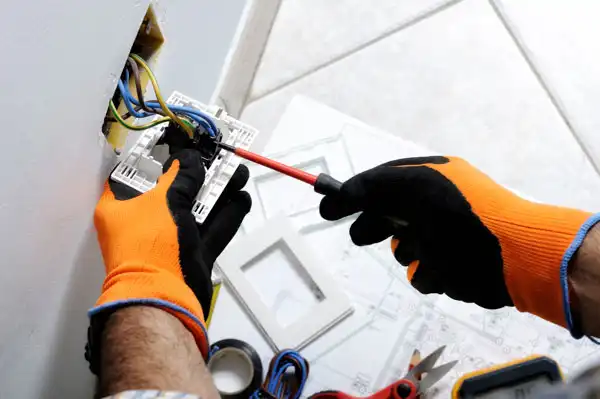
The same logic applies across trades. If repiping uncovers electrical issues near wet areas, an electrician may need to correct them. If walls are open near mechanical spaces, it can be a practical time to address aging HVAC or ventilation concerns with a heating contractor or air conditioning contractor. That does not mean turning a plumbing project into a festival of upsells. It means respecting the fact that houses are systems. Water, air, gas, and electricity share tight spaces and should not be treated like strangers in an elevator.
Companies that handle multiple trades, such as Service Lion Plumbing Heating Air Electric, can be useful when a repipe touches related work like water heater wiring, gas installation service for a heater changeout, or code corrections around mechanical rooms. The benefit is coordination. The risk, with any company, is scope creep. The cure is a clear written estimate and a technician who can explain why each item belongs.
What repiping costs, and why estimates vary so much
Repiping cost depends heavily on region, house size, access, pipe material, number of fixtures, number of stories, finish repair, permit fees, and whether the service line from the meter to the house is included. A small, accessible home may be relatively manageable. A large two-story house on a slab with three bathrooms, a laundry room, multiple hose bibs, and fancy tile can cost much more.
Be cautious with ballpark numbers from the internet. They are often stripped of the details that make real projects expensive or affordable. A useful estimate should identify the material being used, the areas included, the fixture count, valve replacements, permit handling, drywall policy, warranty terms, expected schedule, and exclusions. If one bid is dramatically cheaper, it may be missing finish repair, permits, insulation, valve upgrades, or pressure regulation work.
A higher price is not automatically better. A lower price is not automatically shady. The estimate should make sense. If the contractor cannot explain the difference between replacing visible basement piping and repiping every fixture, pause. If they do not test pressure or inspect key areas before recommending full replacement, pause again. Pausing is free, which makes it one of the better tools in homeownership.
How water quality shapes repiping decisions
Water quality quietly determines how long plumbing materials last. Hard water leaves mineral scale. Acidic water can attack metals. Chloramines in municipal water may affect certain rubber components and some materials over long periods. High sediment from wells can clog fixtures, filters, and valves. Iron and manganese can stain fixtures and contribute to deposits.
If hard water played a role in the old system’s decline, water softener installation may be worth discussing. A softener can reduce scale buildup in pipes, fixtures, and water heaters. It is not a cure for every water problem, and it must be sized, installed, and maintained correctly. A poorly installed softener can restrict flow, waste salt, or create service headaches. A properly installed one can protect a new piping system and make soap behave like it attended finishing school.
For well water, testing is especially useful. A repipe without addressing corrosive or sediment-heavy water may simply give the same problem new pipes to chew on. Filtration, neutralizers, softeners, or sediment separators may be appropriate depending on test results. Guessing at water treatment is a fine way to buy equipment that looks important while solving the wrong problem.
The sneaky relationship between leaks and low pressure
Leaks do not always announce themselves with puddles. A hidden leak can steal pressure and flow while feeding mold, rot, or soil erosion. Slab leaks may warm a floor if they are on the hot side, but not always. Underground service line leaks can leave soggy spots in the yard, spinning meters, or unusually high water bills. Leaks inside walls may show as peeling paint, swollen trim, musty smells, or stains that grow slowly enough to gaslight you.
Plumbing leak repair should come before repiping decisions unless the leak is part of a broader failure pattern. If one section of old pipe leaks, repairing it may be reasonable. If the system has had multiple leaks, visible corrosion, poor flow, and shutoff valves that look like shipwreck artifacts, repiping becomes less of a luxury and more of a controlled replacement before the house chooses chaos.
Insurance coverage varies and often depends on the cause of damage, suddenness, policy language, and whether the failed pipe itself is covered. Do not assume a repipe is covered. Also do not assume water damage from a leak is excluded. Read the policy and talk to the insurer when damage occurs. That conversation may be dull, but so is flossing, and both can prevent worse problems.
Living through a repipe without becoming a neighborhood cautionary tale
A repipe disrupts routines, but preparation helps. Move stored items away from walls in closets, under sinks, near the water heater, and around attic or crawl space access points. Clear the garage if the main entry is there. Protect valuables. If you work from home, ask when the loudest phases will happen. Pipe cutting, drilling, and access work are not exactly lullabies.
Pets deserve planning too. Open doors, workers moving in and out, and strange noises can turn even a dignified dog into a furry missile. Cats will either hide under a bed or supervise judgmentally from a distance. Either way, a quiet room or temporary stay elsewhere may help.
Expect questions during the job. A good crew may need decisions on hose bib locations, access preferences, fixture shutoffs, or routing options. Being reachable prevents delays. At the end, the system should be pressure tested, flushed, checked fixture by fixture, and inspected as required. Aerators may clog briefly after work because disturbed sediment travels. That is normal, but it should be addressed before the crew disappears into the sunset.
How repiping fits with other home systems
Repiping often intersects with other service work, especially in older homes. If the water heater is aging, combining water heater repair or replacement with repiping may reduce duplicate labor. If a laundry room remodel is coming, pipe routing can be coordinated. If the home has hydronic heating, boiler connections and domestic water lines should be clearly distinguished. If gas appliances are being moved, a licensed professional should handle gas installation service, not a brave uncle with two wrenches and a story about 1987.
HVAC work may come into play around access and timing. Attic repipes can share cramped space with ductwork, air handlers, heat pump installation components, and insulation. A careless plumbing crew can crush ducts or disturb condensate lines. A careless HVAC crew can damage water lines later. Coordination matters. The same goes for furnace repair service, air conditioning repair, air conditioning maintenance, or an air conditioning tune-up performed near plumbing runs. Homes do not care which trade caused the leak. They only care that gravity has been notified.
Lighting contractor work and electrical updates can also overlap when ceilings or walls are open. If a repipe requires access through a ceiling already scheduled for recessed lighting, coordinating the jobs may save patching costs. Just make sure plumbing and electrical clearances are respected. Water and electricity have a famously poor friendship.
Signs repiping may be worth serious consideration
Here is the shortest useful version of when repiping moves from “maybe someday” to “let’s get bids before the house develops a personality.”
- Multiple fixtures have weak flow, especially both hot and cold.
- The home has galvanized, polybutylene, or visibly deteriorating supply piping.
- Leaks have happened more than once in different areas.
- Water is rusty, discolored, or full of debris after sitting.
- Pressure tests show good incoming pressure but poor flow through the house.
That list does not replace inspection, but it captures the pattern. Repiping is most compelling when symptoms stack together. One clue is interesting. Five clues are a marching band.
Questions to ask before approving the work
The best repiping projects begin with plain answers. What material will be used? Which pipes are included? Will the line from the meter or well to the house be replaced? Are new fixture shutoffs included? Will walls be opened, and who repairs them? How long will the water be off? Is the work permitted? What warranty covers labor and materials? How will pipes be protected from freezing, physical damage, and excessive heat?
You should also ask how the contractor sizes the system. If the answer is “we just run half-inch everywhere,” that is not design. That is plumbing by shrug. Some fixtures need more volume. Main trunks need appropriate sizing. Long runs must account for friction loss. A large soaking tub, multiple bathrooms, body sprays, irrigation tie-ins, or a high-demand household changes the calculation.
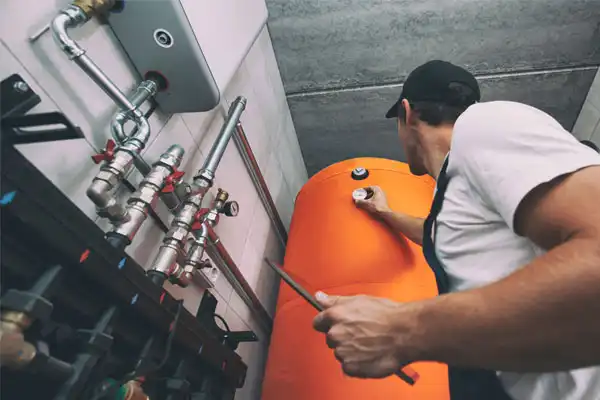
If a contractor talks only about pressure and never about flow, ask follow-up questions. If they recommend repiping without checking the PRV or main valve, ask why. If they cannot explain whether your low pressure is supply-related, pipe-related, fixture-related, or heater-related, get another opinion. You are not being difficult. You are being the person who pays the invoice.
The payoff: ordinary plumbing that feels luxurious because it works
The funny thing about a successful repipe is that the result feels almost boring. The shower runs properly. The sink fills a pot without requiring a podcast episode. The washing machine stops taking geological time. Nobody screams when a toilet flushes during bath time. The house simply works, and working is underrated.
Repiping can also add confidence. New valves shut off when asked. New piping reduces the likelihood of surprise leaks from ancient lines. Better layout can improve fixture performance. If paired with sensible water treatment, pressure regulation, and water heater updates where needed, the plumbing system can become quieter, cleaner, and easier to service.
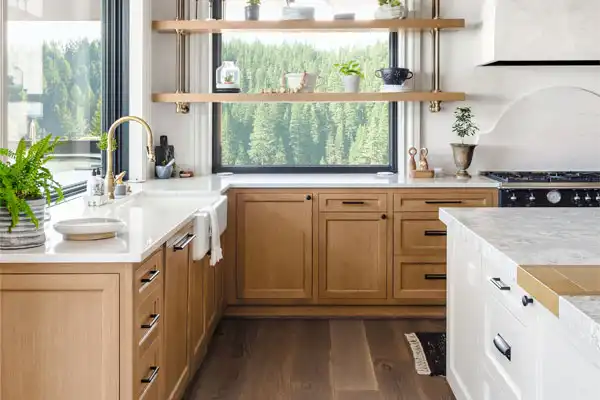
It is not the glamorous home improvement. Nobody invites guests over and says, “Would you like to admire our new PEX trunk line?” Well, almost nobody. I have met plumbers. But low water pressure affects daily life in a way granite countertops never will. A beautiful kitchen faucet attached to clogged old pipe is just a sculpture with disappointment inside.
If your home has been slowly training you to accept weak showers and sluggish faucets, do not start with panic. Start with diagnosis. Check the simple things. Test pressure and flow. Inspect pipe material. Look at valves, water heater connections, leaks, and water quality. Then, if the evidence points to aging or restricted piping, plumbing repiping may be the fix that finally gives your home the water delivery it should have had all along.
And if your shower has been wheezing for years, take heart. Somewhere behind those walls, there may be a pipe so clogged it looks like it has been eating rust for breakfast since the moon landing. Replace it properly, and your morning routine may stop feeling like a negotiation with a damp ghost.
Name: Service Lion Plumbing Heating Air Electric
Address: 521 W Briardale Ave, Orange, CA 92865, United States
Phone: (657) 337-3622
Website: https://callservicelion.com/
Email: [email protected]
Hours:
Monday: Open 24 hours
Tuesday: Open 24 hours
Wednesday: Open 24 hours
Thursday: Open 24 hours
Friday: Open 24 hours
Saturday: Open 24 hours
Sunday: Open 24 hours
Open-location code: R48R+WV Orange, California, USA
Map/listing URL:
https://www.google.com/maps/search/?api=1&query=Google&query_place_id=ChIJQU4LBWHV3IARtnABtyykSA4
Google Map:
Socials:
https://www.facebook.com/ServiceLionCA/
https://www.youtube.com/channel/UCR_L35QzsRTxYZtX8PxJvPw
Local Service Information
Service Lion Plumbing Heating Air Electric provides plumbing, drain, heating, air conditioning, and electrical services from its Orange, California location.The company serves homeowners and properties throughout Orange and communities across Orange County and surrounding areas.
Available services include plumbing repairs, water heater work, drain and sewer services, heating and cooling service, electrical repairs, panels, lighting, outlets, and related home-system work.
Service is available for residential properties as well as light commercial needs described within the company's local service-area information.
The company's website emphasizes locally operated service, coordinated home-system support, and practical scheduling for plumbing, HVAC, and electrical needs.
The matching public business listing shows the Orange location as open 24 hours a day, seven days a week.
For service information or scheduling, call (657) 337-3622 or visit https://callservicelion.com/.
The public map listing identifies the business at 521 W Briardale Ave, Orange, CA 92865 and can be used for location and direction information.
Popular Questions About Service Lion Plumbing Heating Air Electric
What services does Service Lion Plumbing Heating Air Electric provide?
The company provides plumbing, drain and sewer, heating, air conditioning, and electrical services. Its published services include plumbing repair, water heaters, drain clearing, sewer work, HVAC repair and installation, electrical repairs, panels, circuit breakers, lighting, outlets, and related services.
Where is Service Lion Plumbing Heating Air Electric located?
The matching business location is 521 W Briardale Ave, Orange, CA 92865, United States.
What areas does Service Lion Plumbing Heating Air Electric serve?
The company serves Orange County and surrounding communities. Its published service-area information includes Orange, Anaheim, Brea, Yorba Linda, Fullerton, Huntington Beach, Newport Beach, Costa Mesa, Irvine, Lake Forest, and additional nearby cities.
Is Service Lion Plumbing Heating Air Electric open 24 hours?
The matching public business listing shows the location as open 24 hours on Monday through Sunday.
Does Service Lion Plumbing Heating Air Electric work on drains and sewer lines?
Yes. Published services include drain clearing, rooter service, camera inspection, hydro jetting, sewer line repair and installation, water line work, slab leak detection, and trenchless sewer line repair.
Does Service Lion Plumbing Heating Air Electric provide heating and air conditioning service?
Yes. Its published HVAC services include air conditioning repair and installation, heating service, furnace work, heat pumps, air ducts, indoor air quality assessments, and thermostat installation.
Does Service Lion Plumbing Heating Air Electric provide electrical service?
Yes. Published electrical services include repairs and installations, electrical panels, circuit breakers, safety inspections, lighting, outlets and switches, surge protection, generators, and EV charging equipment installation.
How can I contact Service Lion Plumbing Heating Air Electric?
Call (657) 337-3622.
Email: [email protected]
Website: https://callservicelion.com/
Facebook: https://www.facebook.com/ServiceLionCA/
Landmarks Near Orange, California
Old Towne Orange Historic District
A central historic district and useful geographic reference point for the Orange community.
Plaza Park
A well-known public gathering point in the center of Old Towne Orange.
Orange Public Library & History Center
A civic landmark serving residents near central Orange.
Hart Park
A major public park and recreation area south of central Orange.
Eisenhower Park
A public park serving neighborhoods in northern Orange.
Santiago Oaks Regional Park
A regional recreation and open-space landmark on the eastern side of Orange.
Irvine Regional Park
A large regional park and recognizable reference point east of the city.
Orange Park Acres
A distinctive residential community and service-area reference point in eastern Orange.
El Modena
An established Orange neighborhood that provides a practical local coverage reference.
Glassell Street
One of the city's principal north-south streets and a useful route through central Orange.
Lincoln Avenue
A major east-west roadway serving northern Orange and nearby communities.
State Route 55
A primary regional freeway connecting Orange with other parts of Orange County.
❧